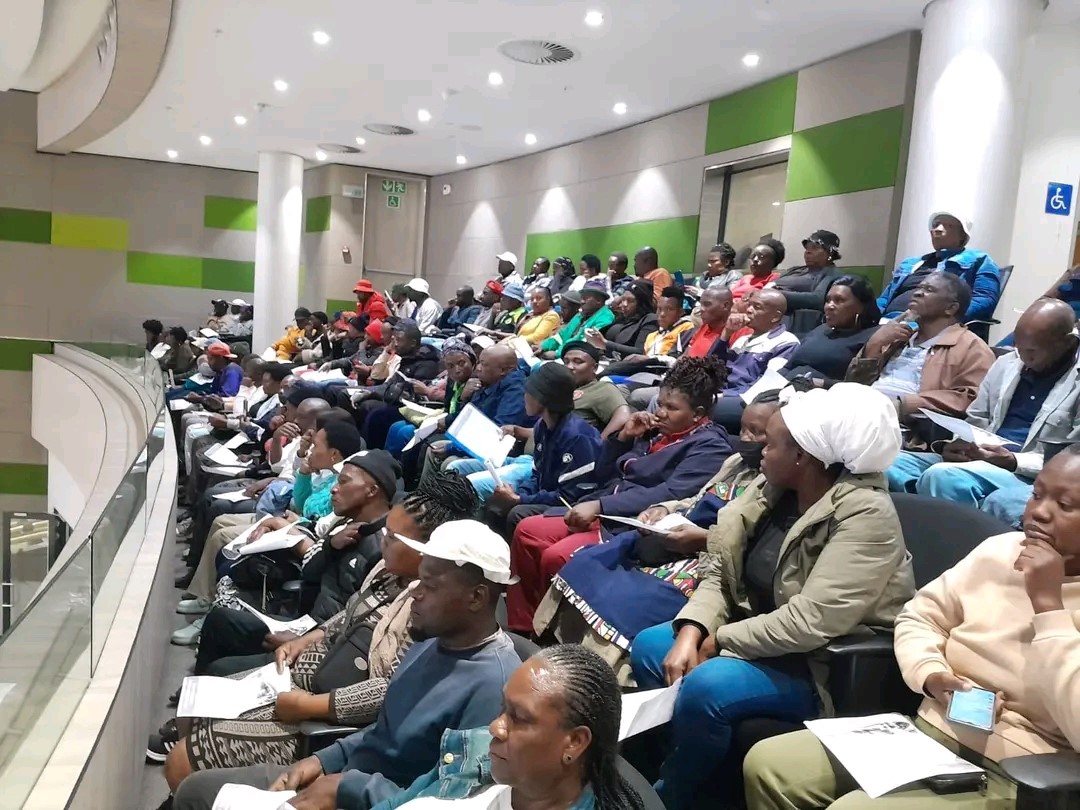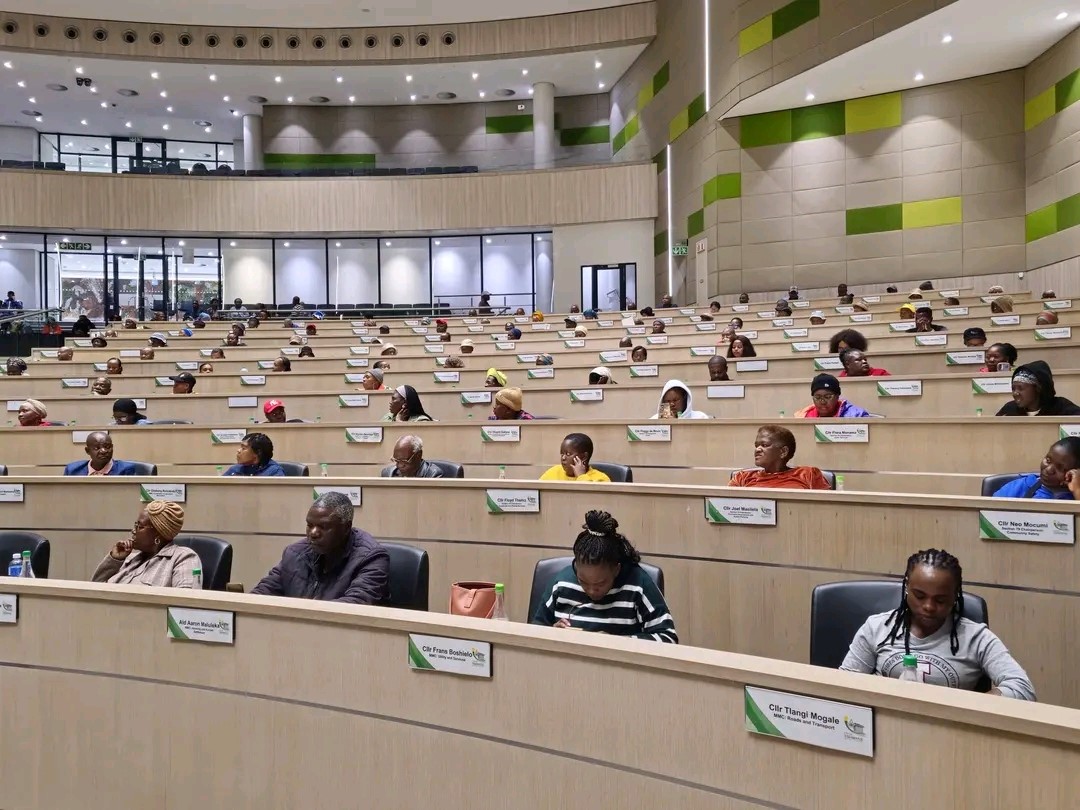

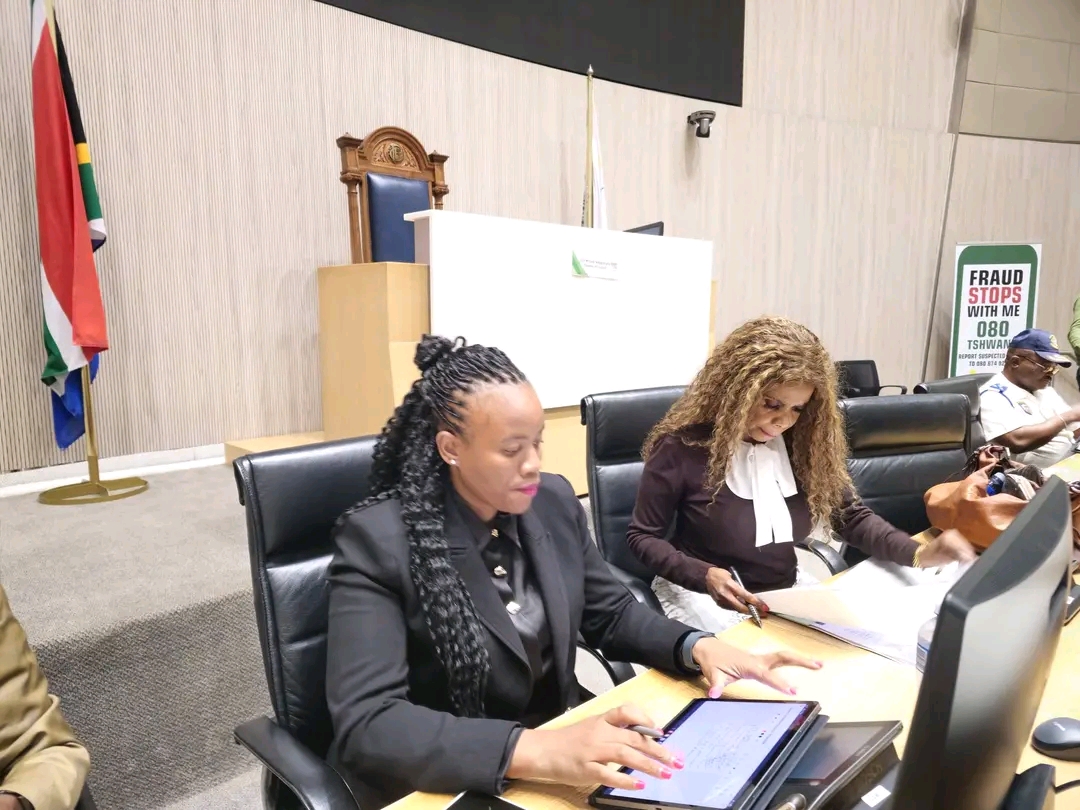
The City of Tshwane has taken a significant step toward reshaping its informal economy landscape following a high-level engagement session hosted at Tshwane House. The session, led by Executive Mayor of Tshwane Dr Nasiphi Moya, brought together hundreds of informal traders, stakeholders, and municipal officials to discuss the newly introduced Informal Trading and Township Economy By-law.
The meeting was held on 13 April 2026, as part of the engagement, which formed part of the city’s broader economic revitalisation strategy, placing renewed emphasis on integrating informal traders into a more structured, supportive, and sustainable economic framework. The by-law represents a shift from a predominantly enforcement-driven model to a more developmental approach, aimed at empowering traders while ensuring compliance with municipal standards.
Informal trading has long been a cornerstone of Tshwane’s local economy, providing livelihoods for thousands of residents and contributing significantly to township economies. However, the sector has often faced challenges, including regulatory inefficiencies, limited access to designated trading spaces, and inconsistent enforcement practices. The newly introduced by-law seeks to address these longstanding issues by creating a balanced system that both regulates and supports traders. Central to this approach is the recognition of informal traders as key economic actors rather than peripheral participants. The by-law introduces several critical reforms, including improved regulatory efficiency in registration and licensing processes. Traders are expected to benefit from simplified procedures that reduce administrative barriers and waiting times, enabling them to operate more legally and securely within the city.
The by-law aims to focus on health and safety standards. Informal traders, particularly those in the food sector, will be required to meet specific hygiene and safety requirements. However, unlike previous approaches, the city has emphasized that enforcement will be fair, consistent, and accompanied by support measures to help traders meet these standards. Municipal officials highlighted that compliance would no longer be treated purely as a punitive matter but as a collaborative process. Traders will be given guidance and resources to improve their operations rather than facing immediate penalties for non-compliance. This shift is expected to foster a more cooperative relationship between traders and the municipality.
The session was an opportunity for direct engagement between city leadership and informal traders. Attendees were able to raise concerns, ask questions, and provide feedback on the by-law and its implementation. Issues discussed included the affordability of licensing fees, accessibility of trading spaces, and the practical challenges of meeting compliance requirements. Traders also expressed concerns about enforcement practices and the need for greater transparency and consistency. City officials used the platform to clarify the intent of the by-law and reassure traders of the municipality’s commitment to working collaboratively with them.
As part of its support strategy, the City of Tshwane has introduced a series of workshops to equip informal traders with the knowledge and skills needed to operate under the new regulatory framework. These workshops focus on compliance requirements, business management, health and safety standards, and licensing procedures. Municipal representatives confirmed that the frequency of these workshops has been increased to two sessions per week, reflecting the high demand and the importance of continuous engagement
In her remarks during the engagement, Executive Mayor Dr Nasiphi Moya reaffirmed the city’s commitment to supporting informal traders and working collaboratively with them. She stated that the municipality is looking forward to building a strong partnership with traders across Tshwane and ensuring that they receive the support they need to thrive. According to the mayor, the success of the by-law will depend on ongoing dialogue and a shared commitment to economic development. Her statement highlighted the city’s intention to move away from adversarial relationships and toward a more inclusive governance model that values the contributions of all economic participants.
The engagement at Tshwane House marks a pivotal moment in the City of Tshwane’s approach to informal trading. By introducing the Informal Trading and Township Economy By-law, the municipality is taking a bold step toward creating a more inclusive, supportive, and sustainable economic environment. By prioritizing collaboration, capacity building, and fair enforcement, the city is laying the foundation for a stronger informal trading sector that can contribute meaningfully to economic growth and development.